Water heater leaks are a common yet often underestimated plumbing issue that can quickly escalate into a home emergency if not addressed promptly. The significance of understanding the causes, implications, and solutions for water heater leaks cannot be overstated, as these leaks can lead to significant property damage and increased utility bills.
One of the primary causes of water heater leaks is corrosion. Over time, minerals in the water can cause rust and deterioration within the tank, leading to small holes or cracks through which water can escape. Regular maintenance and inspections are crucial in identifying early signs of corrosion before they develop into more severe problems. Additionally, high pressure within the tank due to excessive heating or faulty temperature and pressure relief valves can also result in leaks. Homeowners should ensure their heaters operate at optimal temperatures and check valves regularly to prevent undue stress on the system.
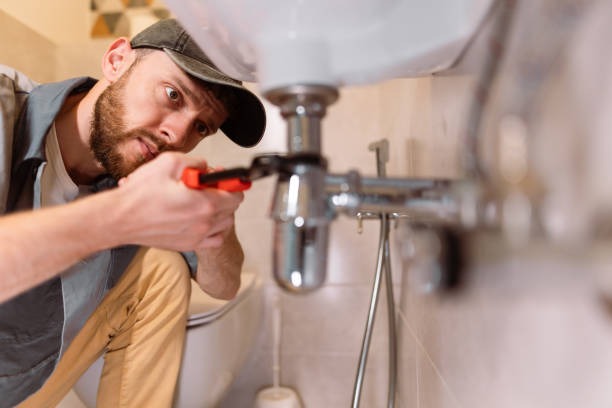
Another contributing factor is loose connections or fittings around the inlet or outlet pipes. Vibration from normal operation may gradually loosen these connections over time, causing slow but steady leakage that could go unnoticed until substantial damage occurs. Routine checks by homeowners or professional plumbers can help tighten any loose fittings before they become find us online problematic.
The implications of ignoring a leaking water heater extend beyond mere inconvenience; they pose potential hazards such as mold growth resulting from prolonged moisture exposure and structural damage to flooring and walls adjacent to the unit. Moreover, standing water from even minor leaks creates slipping hazards that could lead to personal injuries within the household.
Addressing a leaking water heater promptly involves several steps that homeowners should consider taking immediately upon noticing any signs of leakage. First, shutting off power supply—whether gas or electric—to prevent further complications is essential for safety reasons while repairs are underway. Next, turning off the cold-water supply valve will stop additional inflow into an already compromised system.
About the Author