Improving home efficiency with climate control heating and air conditioning systems is an essential step toward creating a comfortable living environment while reducing energy consumption and utility costs. Modern climate control technologies offer precise temperature regulation, allowing homeowners to maintain optimal indoor conditions regardless of external weather fluctuations. By integrating advanced heating and air conditioning systems, homes become more energy-efficient, contributing to environmental sustainability and financial savings.
One of the primary benefits of climate control heating and air conditioning is the ability to customize temperature settings to suit the needs of different rooms and times of day. Zoned heating and cooling systems enable homeowners to Climate Control Heating & Air Conditioning direct conditioned air only where it is needed, minimizing energy waste. For example, bedrooms can be kept cooler at night, while living areas remain warmer during the day. This targeted approach reduces the strain on HVAC equipment and lowers energy bills.
iframe src=”https://www.google.com/maps/embed?pb=!1m18!1m12!1m3!1d3364.1829761117588!2d-84.97097339999999!3d32.5212597!2m3!1f0!2f0!3f0!3m2!1i1024!2i768!4f13.1!3m3!1m2!1s0x888ccc84f1847b63%3A0xa3f1192f9646fe6b!2sClimate Control Heating %26 Air Conditioning!5e0!3m2!1sen!2s!4v1777306652500!5m2!1sen!2s
Another factor contributing to improved home efficiency is the integration of smart thermostats with climate control systems. These devices learn occupants’ schedules and preferences, automatically adjusting temperatures for maximum comfort and efficiency. Smart thermostats can be controlled remotely via smartphones or tablets, offering homeowners convenient access to their heating and cooling systems even when away from home. This feature prevents unnecessary energy use when the house is unoccupied and ensures a comfortable environment upon return.
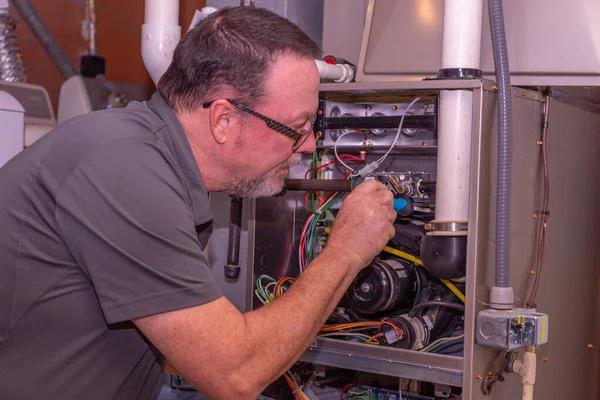
Regular maintenance of heating and air conditioning units also plays a crucial role in maintaining home efficiency. Clean filters, well-lubricated components, and properly sealed ducts ensure that systems operate at peak performance. Neglecting maintenance can lead to decreased efficiency, higher energy consumption, and costly repairs. Homeowners should schedule professional inspections and upkeep to extend the lifespan of their equipment and maintain optimal functionality.
In addition to technological advancements, improving home insulation and sealing air leaks enhances the effectiveness of climate control systems. Proper insulation keeps warm air inside during winter and cool air inside during summer, reducing the workload on heating and air conditioning units. Sealing gaps around windows, doors, and vents prevents drafts, further contributing to energy savings and indoor comfort.
Investing in energy-efficient heating and air conditioning equipment, such as units with high Seasonal Energy Efficiency Ratio (SEER) and Annual Fuel Utilization Efficiency (AFUE) ratings, can substantially reduce energy consumption. Many modern systems also use environmentally friendly refrigerants that minimize the impact on the ozone layer and reduce greenhouse gas emissions.
In conclusion, improving home efficiency with climate control heating and air conditioning involves a combination of advanced technology, proper maintenance, and home improvements. By adopting these strategies, homeowners can enjoy a comfortable indoor environment, lower energy bills, and contribute to environmental conservation. Embracing efficient climate control solutions is a smart investment for both immediate comfort and long-term sustainability.
Climate Control Heating & Air Conditioning
1236 54th St, Columbus, GA 31904
(706) 405-4796
About the Author