
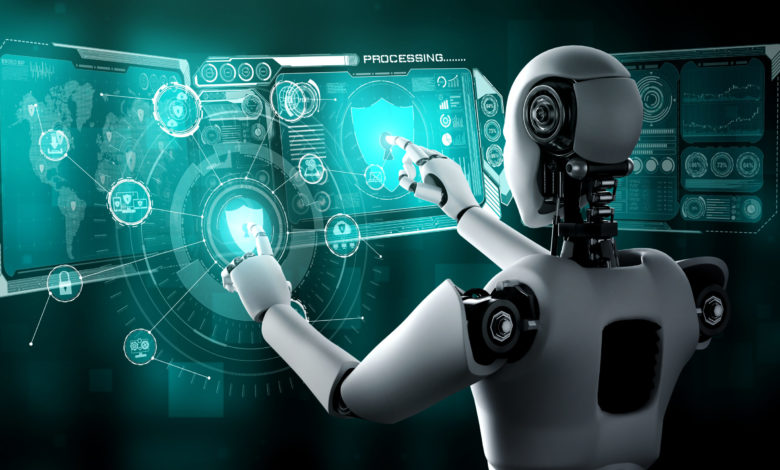
The future of artificial intelligence (AI) in corporate management is poised to revolutionize the way organizations operate, make decisions, and engage with their workforce. As AI technologies continue to advance at an unprecedented pace, businesses are increasingly recognizing the transformative potential these tools hold for enhancing efficiency, driving innovation, and maintaining competitive advantage in a rapidly evolving marketplace.
One of the most significant impacts of AI in corporate management lies in its ability to process vast amounts of data quickly and accurately. This capability enables managers to gain deeper insights into market trends, customer behavior, and internal operations. By leveraging predictive analytics and machine learning algorithms, companies can anticipate challenges before they arise and identify new opportunities for growth. For instance, AI-driven forecasting models allow businesses to optimize inventory levels or tailor marketing strategies with greater precision than ever before.
Moreover, AI is reshaping decision-making processes by providing real-time recommendations based on comprehensive data analysis. Traditional decision-making often relies heavily on human intuition and experience; however, integrating AI systems allows for more objective evaluations that minimize biases. This shift not only improves the quality of decisions but also accelerates response times during critical situations. Executives can rely on intelligent dashboards that synthesize complex Artificial Intelligence information into actionable insights without being overwhelmed by raw data.
In addition to supporting strategic planning, AI enhances operational efficiency through automation of routine tasks such as scheduling meetings, managing emails, or generating reports. By delegating these time-consuming activities to intelligent software agents or chatbots, employees can focus on higher-value responsibilities that require creativity and interpersonal skills. This reallocation of effort fosters a more engaged workforce while reducing burnout associated with repetitive work.
Human resource management is another area where AI’s influence is growing rapidly. Advanced algorithms help identify top talent by analyzing resumes against job requirements more thoroughly than traditional screening methods. They also monitor employee performance patterns over time to recommend personalized training programs or career development paths tailored to individual strengths and weaknesses.
Ethical considerations will play a crucial role as corporations adopt AI technologies extensively within their management frameworks. Transparency regarding how algorithms function and ensuring fairness in automated decisions must be prioritized to maintain trust among stakeholders including employees customers investors alike.
About the Author

