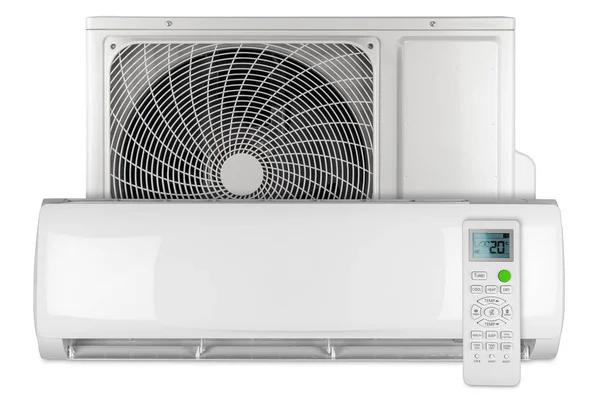
Selecting the right mini split air conditioner (AC) for your space involves careful consideration of several factors to ensure efficient cooling and energy savings. Mini split systems are popular for their flexibility, quiet operation, and ability to cool specific areas without ductwork. To begin, understanding the size of the area you want to cool is crucial. The cooling capacity of mini splits is measured in British Thermal Units (BTUs), which indicates how much heat the unit can remove per hour. A unit with insufficient BTUs will struggle to cool the space effectively, while an oversized system may cycle on and off frequently, wasting energy and reducing comfort.
Accurately measuring your room’s square footage helps determine the appropriate BTU rating. Generally, a room between 150 and 250 square feet requires a unit rated between 6,000 and 9,000 BTUs. However, other factors such as ceiling height, insulation quality, window size and orientation also impact cooling needs. For example, rooms with large windows facing direct sunlight or poor insulation might require higher capacity units than standard recommendations suggest.
Next, consider whether you need heating capabilities in addition to cooling. Many mini split systems offer heat pump functionality that provides warmth during colder months. If year-round temperature control is important for your climate or personal comfort preferences, selecting a model with both heating and cooling features will be more cost-effective than installing separate units.
The number of zones or rooms you wish to condition influences your choice as well. Single-zone mini splits serve one room or area efficiently but multiple indoor units connected to one outdoor compressor allow customized temperature control across several spaces without installing multiple outdoor units.
Energy efficiency ratings should not be overlooked when choosing a Mini Split AC system. Look for models with high Seasonal Energy Efficiency Ratio (SEER) values indicating better performance at lower electricity consumption levels over time. Units certified by ENERGY STAR often meet stringent efficiency standards that translate into reduced utility bills.
Installation requirements play a role too; professional installation ensures proper refrigerant charge and secure mounting of indoor and outdoor components for optimal performance longevity. Some brands provide user-friendly guides if you prefer DIY installation but consulting experts can prevent potential issues like leaks or improper drainage.
Lastly, evaluate additional features such as noise levels during operation since quieter models enhance comfort especially in bedrooms or offices where silence matters most. Features like programmable timers remote controls Wi-Fi connectivity smart thermostats improve usability allowing convenient customization based on daily routines.
In summary choosing the right mini split AC depends on matching its capacity features zoning options energy efficiency installation feasibility along with desired extras tailored specifically for your living environment ensuring effective climate control throughout all seasons without unnecessary expenses or discomforts.
About the Author