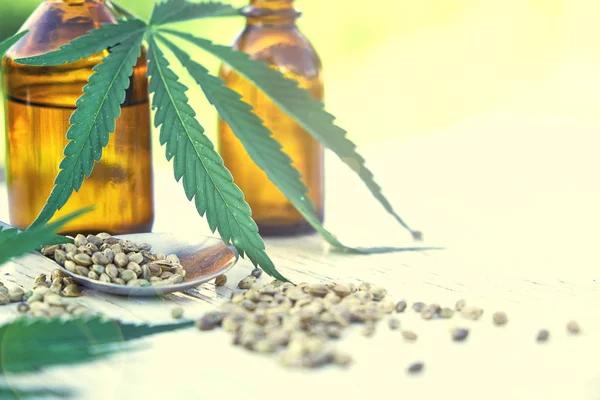
Navigating the world of CBD and THC products in Austin requires a clear understanding of the local and state regulations that govern their sale, use, and distribution. As cannabis-related products continue to gain popularity, consumers and businesses alike must stay informed about the legal framework to ensure compliance and safe usage.
In Austin, Texas, the legal landscape for CBD (cannabidiol) and THC (tetrahydrocannabinol) products is shaped by both state laws and local ordinances. Texas has taken a relatively conservative approach to cannabis see here now laws compared to some other states. While CBD products derived from hemp with less than 0.3% THC are legal federally and in Texas, the rules become more stringent when it comes to THC-containing products.
CBD products sold in Austin must comply with the Texas Department of State Health Services (DSHS) regulations. These products must be derived from hemp, contain less than 0.3% THC, and be free from contaminants. Additionally, labeling requirements mandate clear information about the product’s contents, including dosage and ingredient lists. This ensures consumers know exactly what they are purchasing and consuming. Businesses selling CBD products should obtain proper testing from certified labs to verify compliance.
When it comes to THC, Texas law only permits limited medical use under the Compassionate Use Program. This program allows patients with qualifying conditions to access low-THC cannabis products containing no more than 1% THC. Recreational use of THC remains illegal in Austin and throughout Texas. Possession of THC products without medical authorization can lead to legal consequences, including fines and possible criminal charges.
Local Austin ordinances do not currently override state prohibitions on THC, meaning that even in this progressive city, recreational THC use remains prohibited. However, enforcement priorities may vary, with some focus on education and harm reduction rather than strict punitive actions for minor offenses. Still, it is crucial for consumers to understand that possession or distribution of THC products outside the medical program can carry significant risks.
For businesses, understanding licensing requirements is essential. Only licensed dispensaries approved under Texas medical cannabis programs can legally sell THC products. CBD retailers must ensure their products meet the hemp-derived standards and avoid making unsubstantiated health claims, which can attract regulatory scrutiny from the Food and Drug Administration (FDA) and other agencies.
In summary, Austin residents interested in CBD and THC products should prioritize compliance with Texas state laws. CBD products derived from hemp with less than 0.3% THC are legal and widely available but must meet strict safety and labeling standards. THC products remain restricted to medical use under a narrow program, with recreational use prohibited. Staying informed about these regulations helps consumers and businesses engage responsibly in the evolving cannabis market within Austin.
About the Author