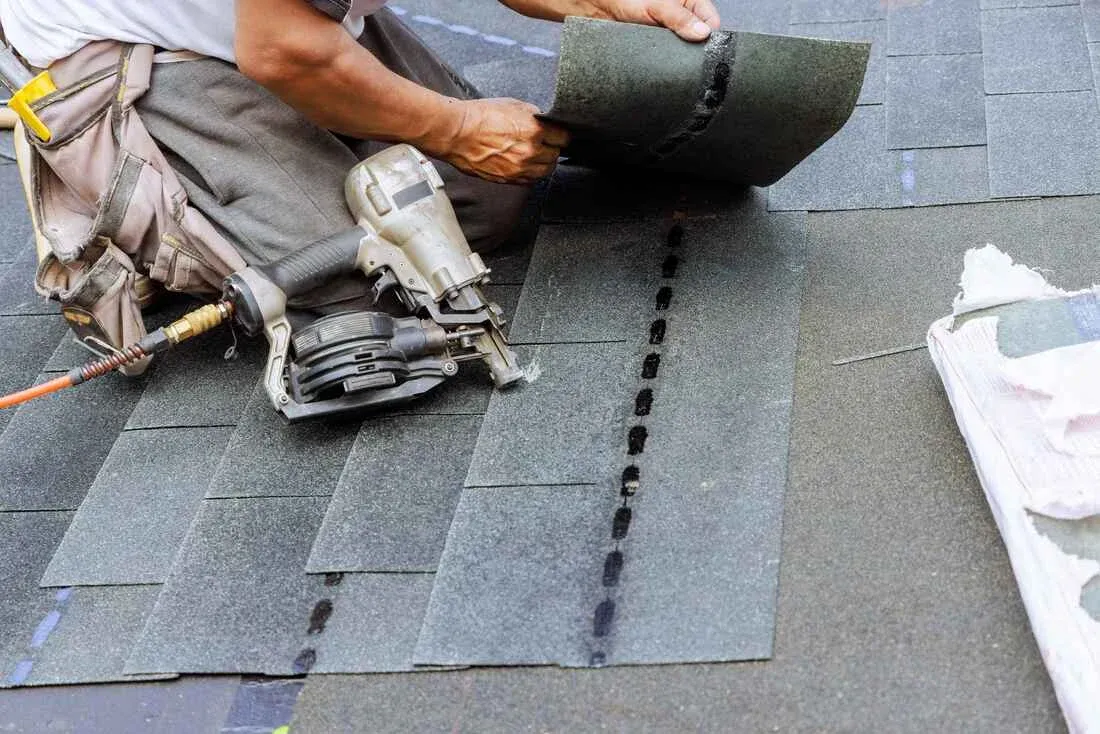
Roofing in Hanover follows a well-defined process designed to ensure durability, weather resistance, and aesthetic appeal. The first step involves an initial inspection and assessment of the existing roof or the structure where the new roof will be installed. This evaluation helps identify any damage, structural issues, or specific requirements that need to be addressed before work begins. Professionals measure the area accurately to estimate materials and costs effectively.
Once the inspection is complete, preparations for roofing commence by removing old shingles or roofing materials if it is a replacement project. This removal must be thorough to prevent any debris from interfering with the new installation. In cases of new construction, this step focuses on preparing a clean surface ready for roofing components. Proper disposal of old materials ensures compliance with local regulations in Hanover.
The next phase involves repairing or reinforcing the underlying structure if necessary. Roof decking may require replacement or reinforcement depending on its condition after removal of previous layers. Ensuring a solid base is critical because it supports all subsequent layers and contributes significantly to overall roof longevity.
After preparing the base, installers apply underlayment material across the entire surface. Underlayment acts as an additional moisture barrier beneath shingles or learn more here other roofing products, protecting against water infiltration caused by rain or snow-common weather conditions in Hanover’s climate. It also provides extra insulation and improves energy efficiency within buildings.
Following underlayment installation comes flashing placement around chimneys, vents, skylights, and valleys where two roof planes meet. Flashing prevents leaks at these vulnerable junctions by sealing gaps that might otherwise allow water penetration during storms.
Shingles or chosen roofing materials are then carefully laid out starting from the bottom edge upwards toward the ridge line at consistent intervals for both functionality and visual uniformity. Each piece overlaps appropriately to channel water off efficiently while maintaining wind resistance standards required locally.
Once all shingles are secured using nails or adhesives suited for regional weather patterns, ridge caps are installed along peak lines to seal joints fully while providing a finished look that enhances curb appeal.
Finally, contractors perform quality checks ensuring every element meets safety codes applicable in Hanover before cleaning up work areas thoroughly so homeowners can resume normal activities without concern about leftover debris.
This systematic approach guarantees roofs built in Hanover withstand environmental challenges effectively while offering long-term protection and value enhancement for property owners throughout their lifespan.
About the Author