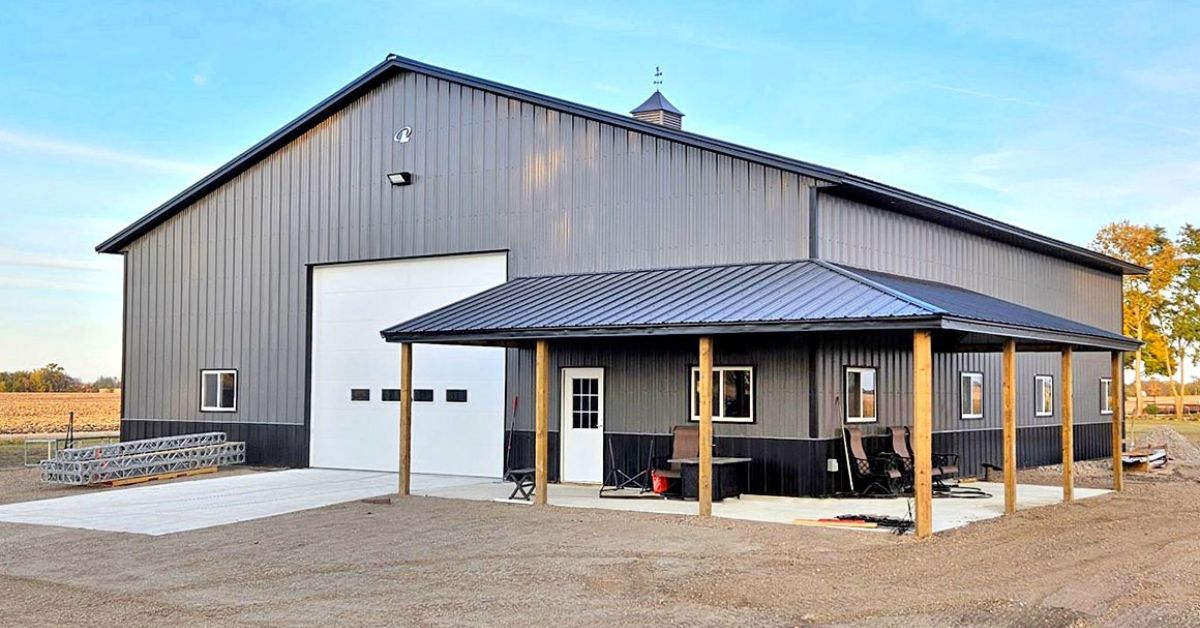
Pole barns are known for their affordability, durability, and versatility. Whether you’re building a storage facility, workshop, agricultural building, garage, commercial space, or barndominium, proper planning is critical to the success of your project.
While pole barns are often simpler to construct than traditional buildings, design mistakes made during the planning phase can lead to higher costs, reduced functionality, and expensive modifications later. Understanding the most common pole barn design mistakes and how to avoid them can help ensure your building serves your needs for decades to come.
Why Proper Pole Barn Design Matters
A well-designed pole barn maximizes usable space, improves efficiency, enhances durability, and reduces maintenance costs. Poor planning, on the other hand, can result in:
- Limited storage capacity
- Difficult vehicle access
- Future expansion challenges
- Moisture and drainage issues
- Higher energy costs
- Costly structural modifications
Taking time to plan your project carefully can save thousands of dollars and prevent unnecessary frustration down the road.
Mistake #1: Building Too Small
One of the most common regrets among pole barn owners is not building large enough.
Many property owners focus on their immediate needs and underestimate future storage, equipment, or workspace requirements. As businesses grow and equipment changes, available space often becomes limited much sooner than expected.
How to Avoid It
Consider both current and future needs when designing your building. Ask yourself:
- Will I purchase larger equipment later?
- Do I need room for additional vehicles?
- Could I convert the building into a workshop or commercial space?
- Will my storage need increase over time?
In many cases, increasing the size during initial construction is significantly less expensive than building an addition later.
Mistake #2: Choosing the Wrong Door Size
A pole barn is only as functional as its access points.
Many owners discover too late that their doors are too narrow or too short for tractors, RVs, trailers, boats, or commercial vehicles.
How to Avoid It
Measure your largest equipment and allow extra clearance for safe entry and exit.
Consider:
- Equipment height
- Trailer width
- Future vehicle upgrades
- Turning radius requirements
When in doubt, slightly larger overhead doors typically provide greater flexibility for future use.
Mistake #3: Ignoring Site Drainage
Water is one of the biggest threats to any structure.
Poor site drainage can cause:
- Foundation problems
- Soil erosion
- Interior moisture issues
- Mold growth
- Structural deterioration
Even a well-built pole barn can experience problems if water is allowed to collect around the building.
How to Avoid It
Proper site preparation should include:
- Grading the site away from the structure
- Installing gutters and downspouts
- Creating drainage swales
- Managing stormwater runoff
Working with an experienced builder can help identify potential drainage concerns before construction begins.
Mistake #4: Poor Interior Layout Planning
Many owners focus heavily on the exterior dimensions while overlooking how the interior will function.
As a result, they may end up with:
- Inefficient storage areas
- Obstructed workspaces
- Difficult vehicle movement
- Limited accessibility
How to Avoid It
Before finalizing your design, create a detailed floor plan showing:
- Equipment placement
- Vehicle parking
- Storage shelving
- Workbenches
- Utility areas
- Future expansion possibilities
A thoughtful layout improves efficiency and maximizes every square foot of space.
Mistake #5: Not Planning for Future Expansion
Needs change over time.
A building that works perfectly today may become too small in five or ten years. Unfortunately, some designs make future expansion difficult or expensive.
How to Avoid It
Design your pole barn with expansion in mind by:
- Positioning doors strategically
- Leaving room on the property for additions
- Choosing wall layouts that can be extended later
- Discussing future growth plans with your builder
Planning ahead provides flexibility and protects your investment.
Mistake #6: Skipping Insulation Planning
Many property owners initially assume they won’t need insulation. Later, they discover temperature extremes make the building uncomfortable or inefficient.
This is especially common in:
- Workshops
- Garages
- Commercial buildings
- Barndominium
- Hobby spaces
How to Avoid It
Even if insulation isn’t installed immediately, design the building to accommodate future insulation upgrades.
Common insulation options include:
- Spray foam insulation
- Fiberglass batts
- Rigid foam panels
Planning ahead can reduce future installation costs and improve energy efficiency.
Mistake #7: Underestimating Electrical Needs
Electrical requirements often grow over time.
Many owners initially install minimal electrical service and later need additional outlets, lighting, or equipment connections.
How to Avoid It
Think beyond current needs and consider:
- Power tools
- Air compressors
- HVAC systems
- Security systems
- Vehicle charging stations
- Future machinery
Installing additional electrical capacity during construction is typically more affordable than upgrading later.
Mistake #8: Choosing the Wrong Roof Pitch
Roof pitch affects both appearance and functionality.
A roof that is too flat may struggle with water or snow drainage, while an excessively steep roof can increase construction costs.
How to Avoid It
Select a roof pitch appropriate for your climate and intended use.
Factors to consider include:
- Snow load requirements
- Rainfall levels
- Building aesthetics
- Interior clearance needs
Your contractor can recommend the ideal roof design for local conditions.
Mistake #9: Overlooking Ventilation
Poor ventilation can lead to:
- Condensation
- Moisture buildup
- Mold growth
- Reduced air quality
- Premature material deterioration
This is particularly important in agricultural buildings, workshops, and enclosed storage spaces.
How to Avoid It
Incorporate ventilation features such as:
- Ridge vents
- Soffit vents
- Gable vents
- Exhaust fans
Proper airflow helps maintain a healthier and more durable structure.
Mistake #10: Focusing Only on Initial Cost
It’s natural to want the lowest possible price, but choosing the cheapest design or materials can lead to higher long-term expenses.
Cutting corners may result in:
- More maintenance
- Reduced durability
- Lower energy efficiency
- Shorter building lifespan
How to Avoid It
Focus on long-term value rather than just upfront cost.
Investing in quality materials, proper engineering, and professional construction often saves money over the life of the building.
Mistake #11: Ignoring Local Building Codes
Building codes and zoning regulations vary by location.
Failing to comply with local requirements can result in:
- Permit delays
- Fines
- Mandatory modifications
- Project interruptions
How to Avoid It
Work with a knowledgeable pole barn contractor who understands local regulations and can assist with permit approvals before construction begins.
Mistake #12: Hiring an Inexperienced Builder
Even the best design can fail if construction quality is poor.
An inexperienced builder may overlook critical structural details, drainage concerns, or code requirements.
How to Avoid It
Before hiring a contractor:
- Review previous projects
- Check customer reviews
- Verify licensing and insurance
- Request references
- Ask about experience with post-frame construction
Pole barns offer exceptional value, versatility, and durability, but careful planning is essential to maximize those benefits. Common mistakes such as building too small, choosing the wrong door size, ignoring drainage, overlooking ventilation, or failing to plan for future growth can create unnecessary expenses and limitations.
By taking the time to evaluate your needs, work with experienced professionals, and think long-term, you can avoid costly design mistakes and create a pole barn that serves your property efficiently for many years.
A well-designed pole barn is more than just a building, it’s an investment in functionality, productivity, and long-term value.
About the Author