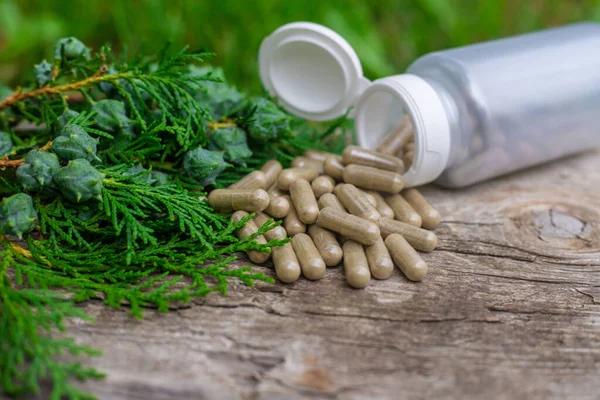
Herbal supplements have long been a part of traditional medicine systems across the world, celebrated for their potential to enhance health and well-being. In recent years, there has been growing interest in understanding how these natural remedies might contribute to boosting immune function. The immune system is our body’s defense mechanism against infections and diseases, and maintaining its optimal function is crucial for overall health.
Herbal supplements are derived from various parts of plants such as roots, leaves, seeds, or flowers. They contain bioactive compounds that can influence physiological processes within the body. When it comes to immunity, certain herbs are renowned for their ability to support and enhance immune responses naturally. For instance, Echinacea is widely used for its purported ability to reduce the duration and severity of colds by stimulating immune activity. Similarly, elderberry is popular during flu season due to its antiviral properties that may help mitigate symptoms.
The role of herbal supplements in boosting immunity often revolves around their antioxidant content. Antioxidants neutralize free radicals—unstable molecules that can damage cells—and thereby help maintain cellular integrity within the immune system. Herbs like turmeric contain curcumin, a powerful antioxidant with anti-inflammatory properties that may bolster immune defenses by reducing chronic inflammation—a D8 GAS known suppressor of immune function.
Adaptogens are another category of herbs gaining attention for their potential impact on immunity. These herbs help the body adapt to stressors and restore balance in bodily functions including the immune response. Ashwagandha and Rhodiola rosea are examples of adaptogens believed to modulate stress hormones which indirectly supports a more resilient immune system.
Despite these promising attributes, it’s important to approach herbal supplements with caution and informed consideration. The efficacy and safety profiles of many herbal products remain under-researched compared to conventional medicines due partly to less regulatory oversight in many regions regarding supplement production standards.
Moreover, individual responses can vary significantly based on genetic factors or existing health conditions; what works wonders for one person might be ineffective or even harmful for another if misused or taken alongside certain medications without professional guidance.
About the Author